FESPA Eurasia Insider Home

Category

Technology & Innovation

8 articles

Priced Out or Priced Wrong? What European Print Economics Really Reveal About US Shop Overhead

Priced Out or Priced Wrong? What European Print Economics Really Reveal About US Shop Overhead

American print shop owners who have encountered European competitors' rate cards often walk away bewildered—and sometimes alarmed. A structured comparison of labor models, energy costs, equipment financing, and regulatory overhead across Eurasian and US markets reveals that the pricing gap is not simply a function of cheaper inputs, but of fundamentally different business architectures. Understanding those distinctions may be the most valuable benchmarking exercise a US operator can undertake th

Lost in Translation: The Hidden Costs of European Equipment Documentation for American Print Shops

American print shops are discovering that purchasing equipment from European and Asian manufacturers involves far more than negotiating a purchase price. From metric-to-imperial conversion errors to warranty language buried in untranslated annexes, the documentation gap between Eurasian suppliers and US buyers is generating costly surprises long after the trade show floor has cleared. Here is what savvy operators need to know before signing anything.

The Machine Is Ready. The Operator Isn't: How Eurasian Expos Are Exposing a Talent Crisis Inside US Print Shops

American print professionals returning from trade floors in Cologne and Shanghai are bringing back something unexpected alongside their brochures and business cards: a quiet anxiety about whether their teams can actually run the equipment they're being asked to buy. The gap between the sophistication of modern Eurasian print machinery and the skill sets of available US operators is widening—and the industry has been slow to acknowledge it. This analysis examines what that mismatch means for purc

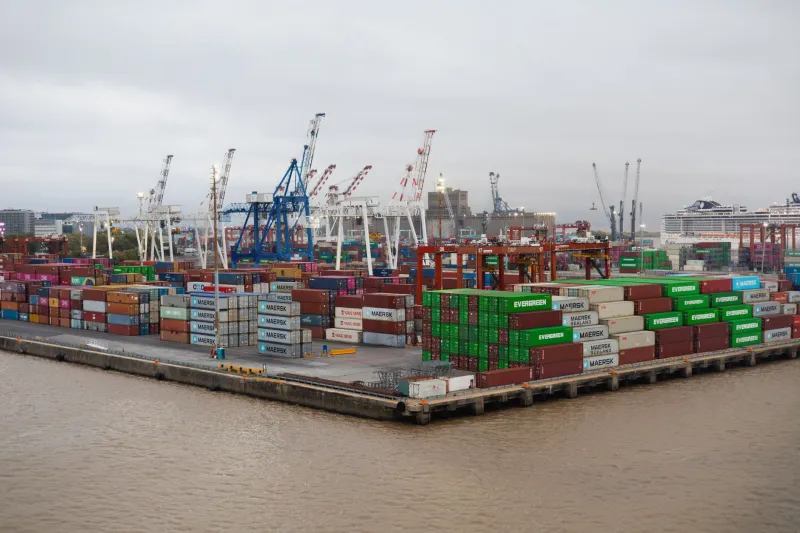
Europe Reclaims the Press Room: Why American Contract Printers Are Turning Their Backs on Asia

Europe Reclaims the Press Room: Why American Contract Printers Are Turning Their Backs on Asia

A quiet but accelerating shift is underway in American print manufacturing: contract printers who spent the better part of a decade chasing lower costs in Asia are now routing production back through European partners. Rising tariffs, stretched lead times, and hard lessons about supply chain fragility are rewriting the ROI calculations that once made offshoring to Asia look like an obvious win.

Small Batches, Big Returns: How American Textile Makers Are Outmaneuvering Asian Volume Producers

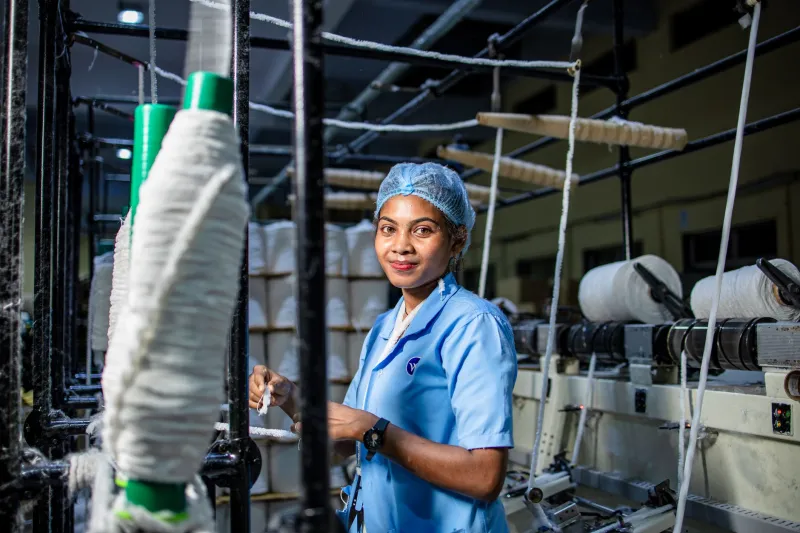
Small Batches, Big Returns: How American Textile Makers Are Outmaneuvering Asian Volume Producers

US textile manufacturers are quietly engineering a competitive revival—not by matching Asian factories on price or volume, but by mastering the niches those factories cannot profitably serve. From custom performance fabrics to sustainably certified short runs, domestic converters are rewriting the terms of competition. For American print and promotional products operators, this shift carries significant strategic implications.

Tariff Turbulence: How American Print-on-Demand Operators Are Quietly Rebuilding Their Supply Chains

Tariff Turbulence: How American Print-on-Demand Operators Are Quietly Rebuilding Their Supply Chains

Shifting trade dynamics between the United States and the European Union are forcing print-on-demand businesses to fundamentally reconsider where and how they source their materials. From unexpected alternative markets to accelerated diversification strategies, the POD sector is undergoing a quiet but consequential restructuring. Early movers are already claiming competitive ground that latecomers may struggle to recover.

From Seoul to the Sunbelt: Assessing Asia's Textile Tech Breakthroughs and Their Real-World Readiness for US Converters

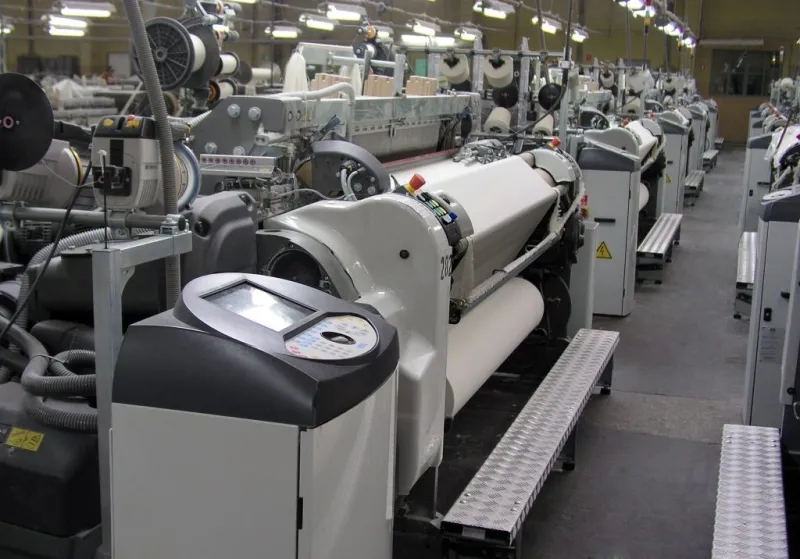
From Seoul to the Sunbelt: Assessing Asia's Textile Tech Breakthroughs and Their Real-World Readiness for US Converters

Asia's textile printing sector is generating a wave of technological innovation—from AI-powered color management platforms developed in South Korea to water-conserving digital dyeing systems pioneered in China and Japan—that is beginning to reshape expectations in US manufacturing circles. Some of these advances are commercially accessible today; others remain on the horizon. This analysis maps the landscape and identifies where American converters can act now to secure a meaningful edge.